
What location scouts look for when choosing a filming venue

Contents
A filming venue has to do more than look convincing on camera. Before committing to a location, a film location scout will consider how closely it matches the creative brief, whether the crew can work there comfortably and how well the venue can support the practical demands of the shoot.
Regent’s Events offers a range of indoor and outdoor settings within Regent’s Park, giving productions creative variety alongside the access, facilities and support needed during filming.
Understanding the production brief before scouting
Location scouting usually begins with the script, treatment or creative brief. The scout needs to understand the period, mood, action and scale of each scene before deciding which spaces deserve closer consideration.
A brief may call for an unmistakably historic room, a contemporary interior that can take on several identities or a neutral background that allows the production design to lead. The scout will also consider camera angles, natural light, ceiling height, entrances and the amount of dressing required.
The intended use of the space can affect the search. A short commercial may need one carefully framed area, while a television or film production could require several settings, holding rooms and space for a larger crew.

What happens during a location recce
Once a possible venue has been identified, the next stage is usually a location recce. This allows the scout and other production team members to examine the site in detail rather than relying on photographs or floor plans.
A location recce template may cover access points, room dimensions, available light, ambient sound, power, parking, welfare facilities and restrictions on equipment or working hours. The team may also photograph the recce location from several angles and note where cameras, lighting, props and crew could be positioned.
These checks help the production understand how the location may function once equipment, vehicles and people arrive.
The practical requirements every scout checks
A location also needs to support the practical demands of a shoot. Scouts will usually assess the available power supply, whether generators can be positioned nearby and how cables could be routed safely around the set.
Vehicle access is another important consideration. Equipment vans, crew cars and larger production vehicles may need to arrive and leave at different points throughout the day, while the distance between the unloading area and the set can affect how quickly equipment is moved into place.
The scout will also check whether there are facilities, changing areas, holding rooms and places where cast and crew can take breaks. Catering arrangements may include on-site provision or enough access for a catering truck to operate without disrupting filming.
These details are less visible in location photographs, although they can have a considerable influence on the schedule once production begins.

Period-ready settings and visual flexibility
Productions filming period scenes often need more than heritage architecture. Modern signs, visible security systems, contemporary fittings and street furniture can all add time and cost if they need to be covered or removed.
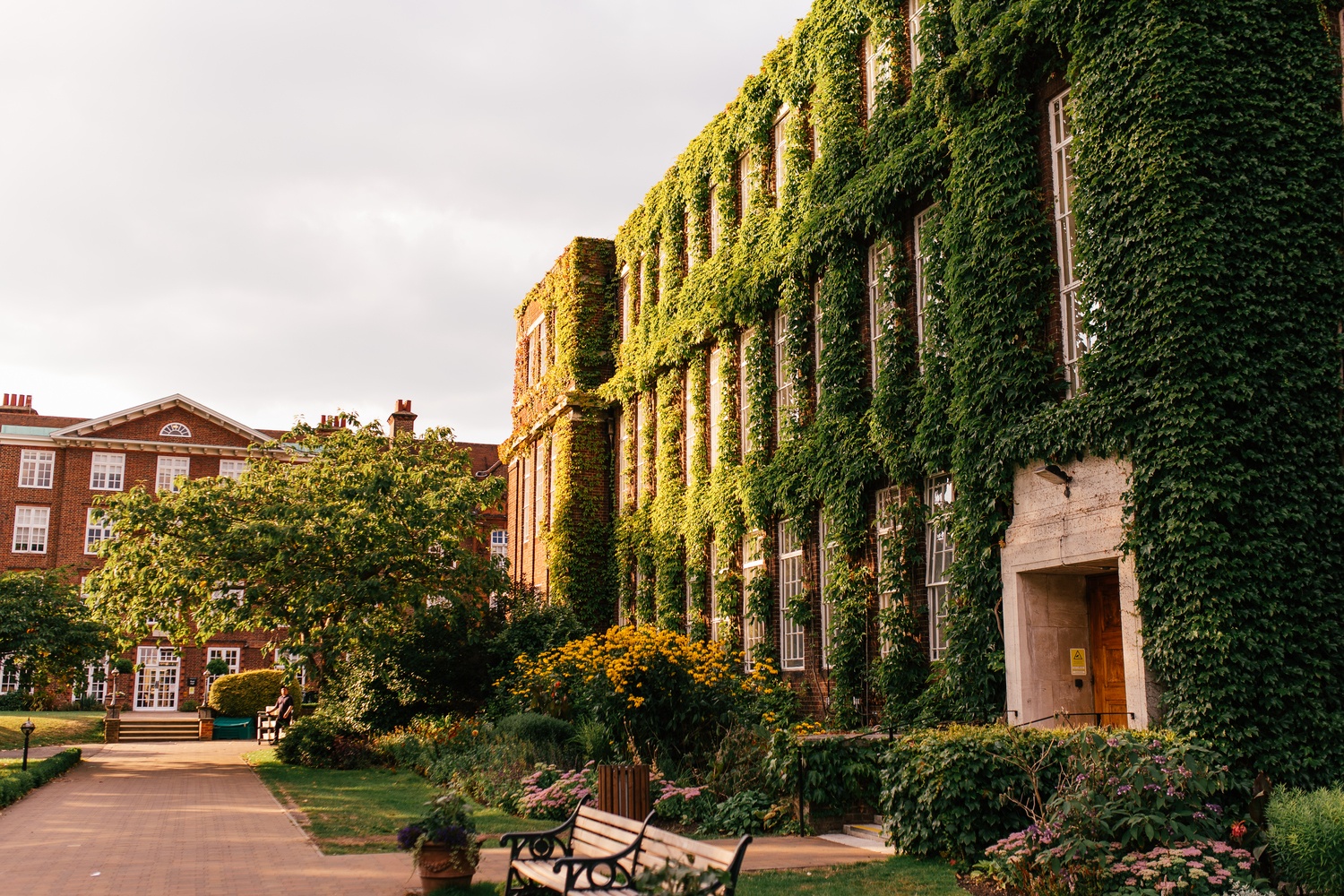
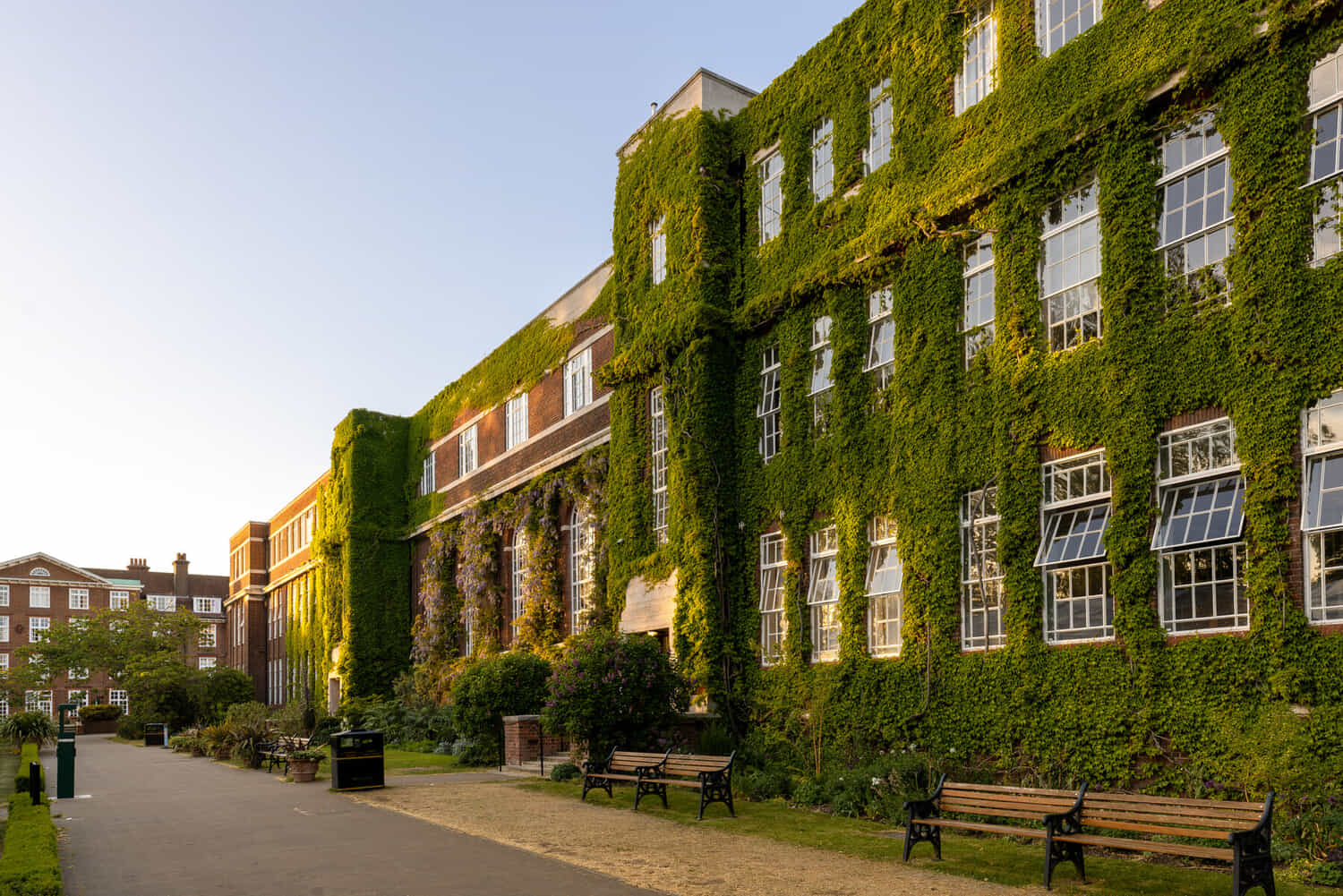
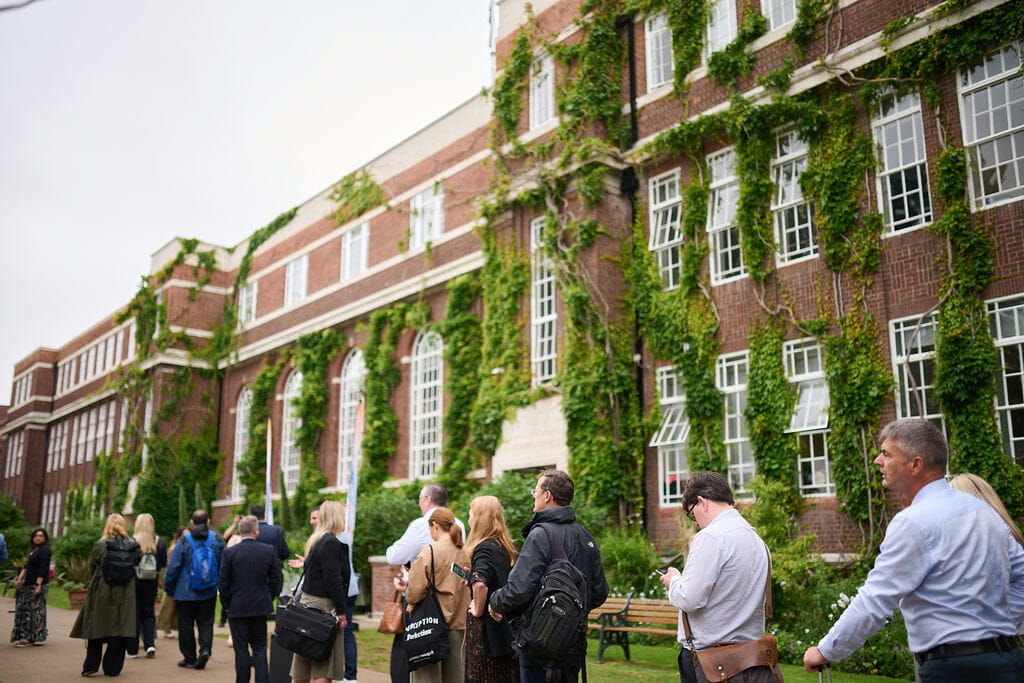
Private venues may give productions greater control over what enters the frame and who moves through the space. Wood-panelled rooms, arched windows, red-brick exteriors and established gardens can offer several period-appropriate angles within one location.
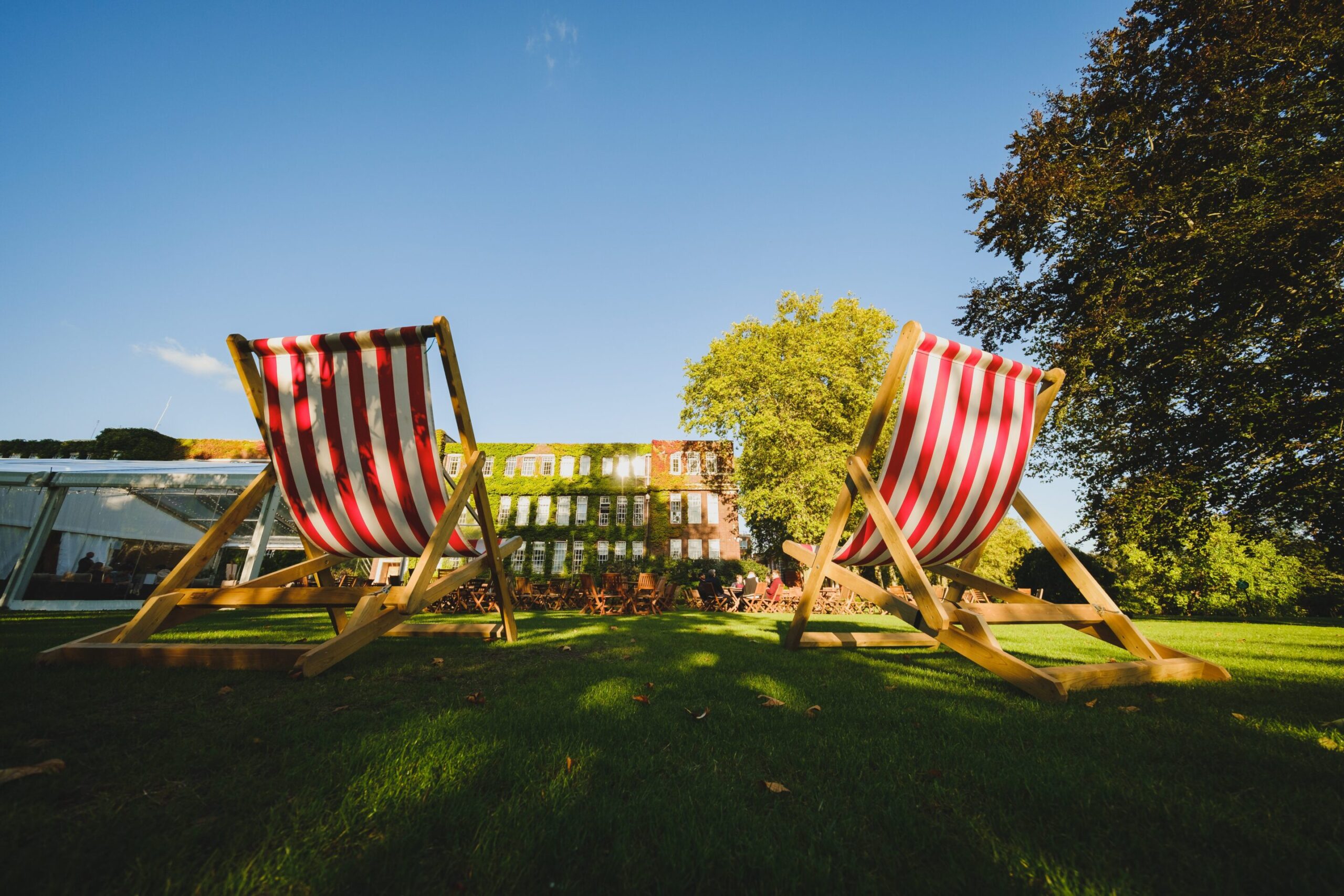
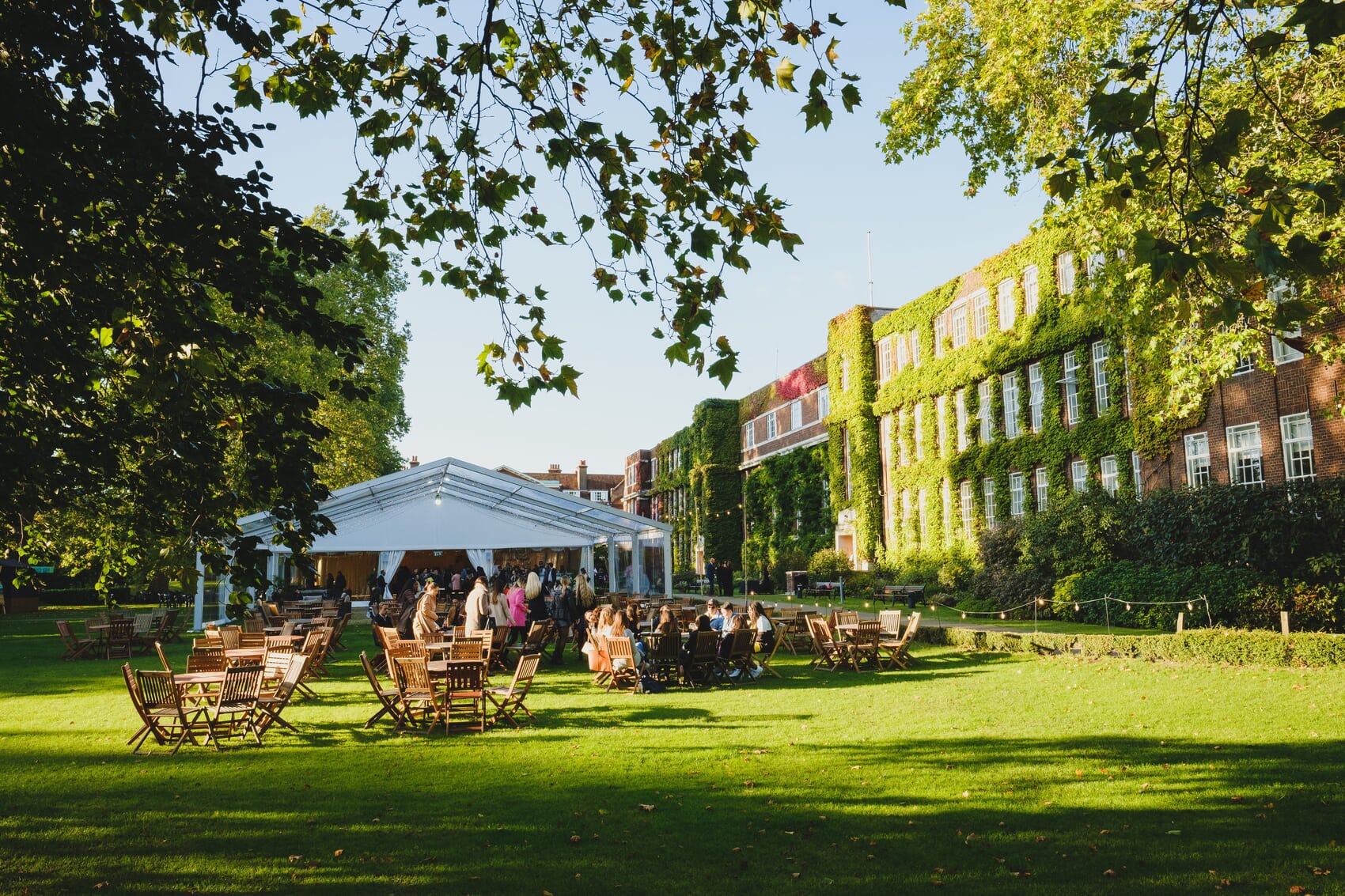
Outdoor areas can provide additional flexibility, such as the four-acre York Lawns, an expansive setting well suited to wide shots and larger-scale scenes.
Red flags that can make a location unsuitable
Some problems become apparent only during the recce. Constant traffic noise, aircraft routes, or unreliable access can complicate sound recording and scheduling.
Restricted loading times, insufficient power, limited parking and a lack of crew facilities may also push a location off the shortlist. The same applies when permissions are unclear or the venue cannot confirm which areas will remain private during filming.
Scouts also pay close attention to communication. Slow responses, incomplete information or changes to agreed access can create uncertainty before the shoot begins.
Building a relationship with the location manager
A productive relationship with the venue contact can make planning considerably easier. Scouts need clear answers about availability, access, restrictions, costs and what can be moved, dressed or temporarily altered.
Sharing the brief, crew size, vehicle requirements and technical plans early gives the location manager a clearer understanding of the shoot. It also allows practical concerns to be discussed before the production reaches the final planning stage.
Clear communication with the venue team can also help productions assess access, catering arrangements and other practical requirements before confirming a shoot.
At Regent’s Events, scouts can consider a range of indoor and outdoor settings within one central London location.
CONTENTS
 Sign up to our newsletter
Be the first to hear about exclusive offers, special announcements and more.