
What size venue do you need for your event?

Contents
Venue size can change the whole feel of an event. A room may look right in photographs, or seem suitable from the capacity figure alone, but the real test is how well it works once guests, furniture, food, service, entertainment and movement are all part of the plan.
For organisers planning an event in central London, Regent’s Events offers a choice of indoor rooms, gardens and larger outdoor spaces that can support anything from smaller private gatherings to large-scale celebrations. Choosing between them starts with understanding what your event needs from the space, beyond guest numbers alone.
How to calculate the right venue size
Guest numbers provide a useful starting point, although the event format significantly affects the amount of floor space required. The same group of guests will need a different setup for a drinks reception, a seated dinner, or a conference.
Standing receptions suit networking events, drinks receptions and summer parties where guests can move between food, drinks and seating areas. Organisers should typically allow:
- 50 guests: 30–50 square metres
- 100 guests: 60–100 square metres
- 200 guests: 120–200 square metres
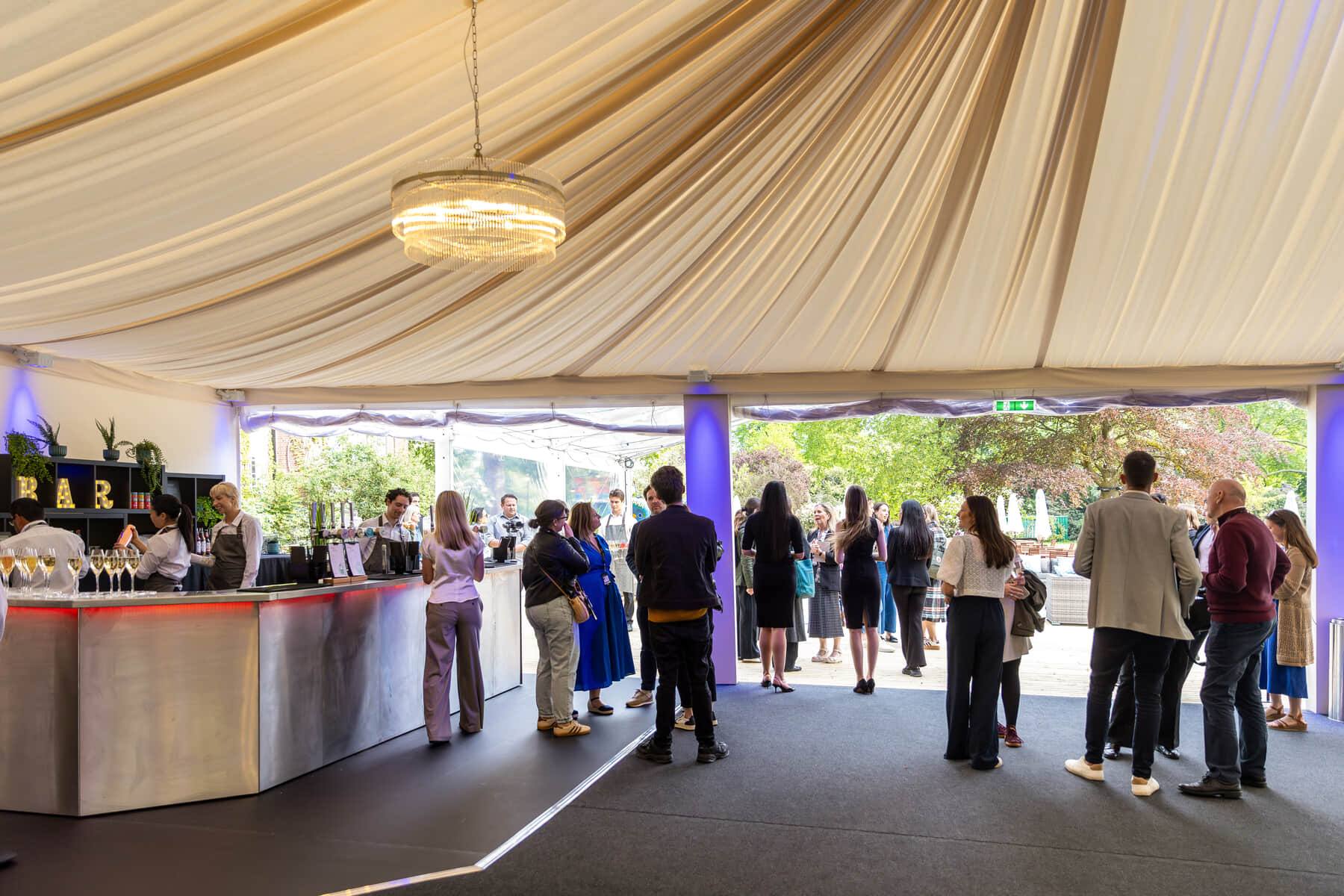
The upper end of the range gives guests more room to circulate and allows for informal seating, food stations and entertainment. This can be especially useful for summer events where people may move between indoor and outdoor areas throughout the day.
A banquet or seated dinner needs additional space for tables, chairs, service routes and catering operations. As a broad guide, organisers should allow:
- 50 guests: 75–100 square metres
- 100 guests: 150–200 square metres
- 200 guests: 300–400 square metres
The final calculation will depend on the table arrangement and the wider plans for the event. A wedding breakfast with speeches and a dance floor will require a different layout from a corporate dinner, where guests remain seated for most of the evening. This is why the size of a wedding venue for 100 guests should be assessed against the full plan for the celebration.
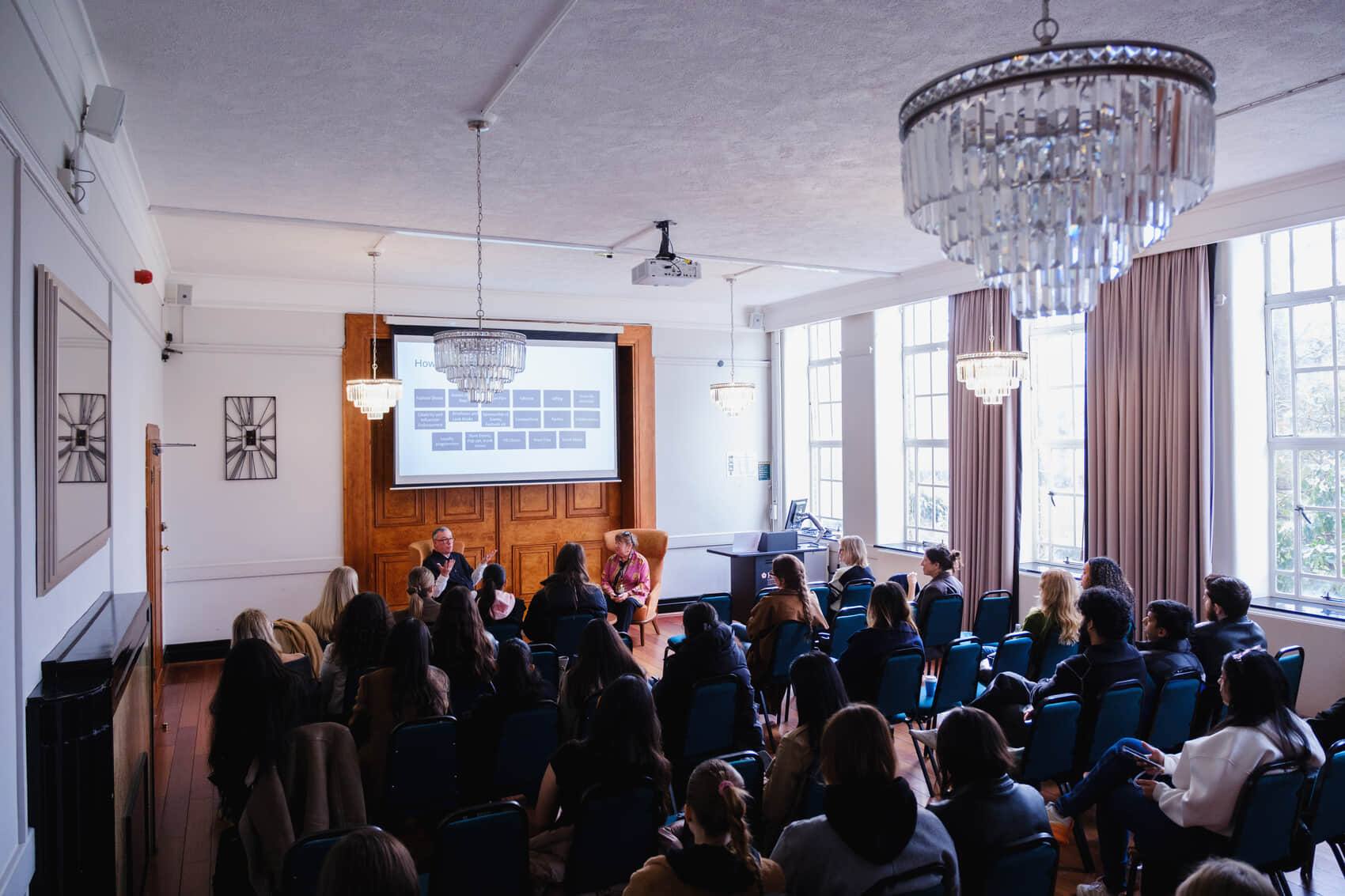
Conference and theatre-style events have their own requirements. Seating can take up less floor space than a banquet layout, although organisers may also need room for registration, refreshment breaks, breakout sessions and speaker preparation. Keeping these areas within easy reach of the main room can help delegates navigate the day.
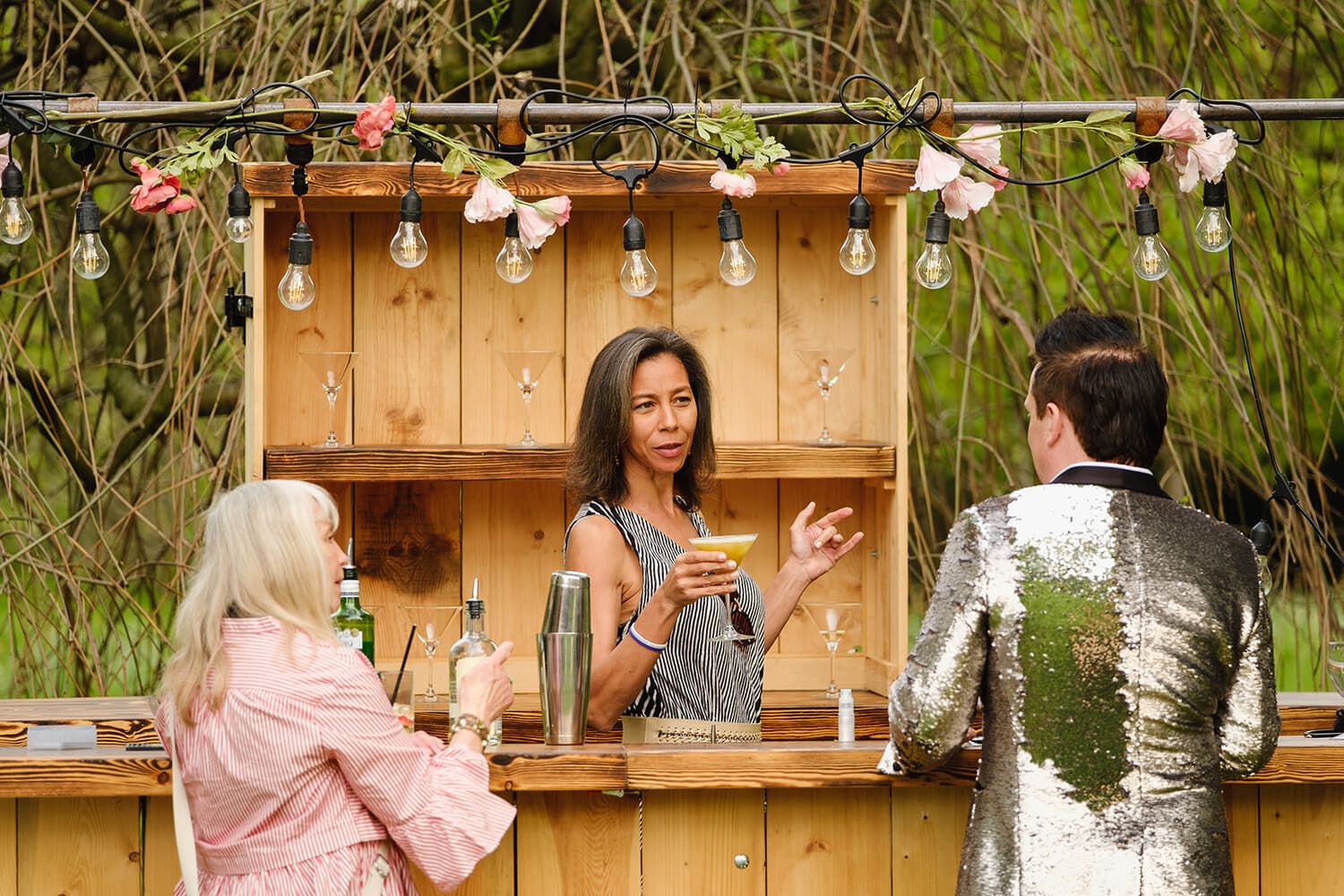
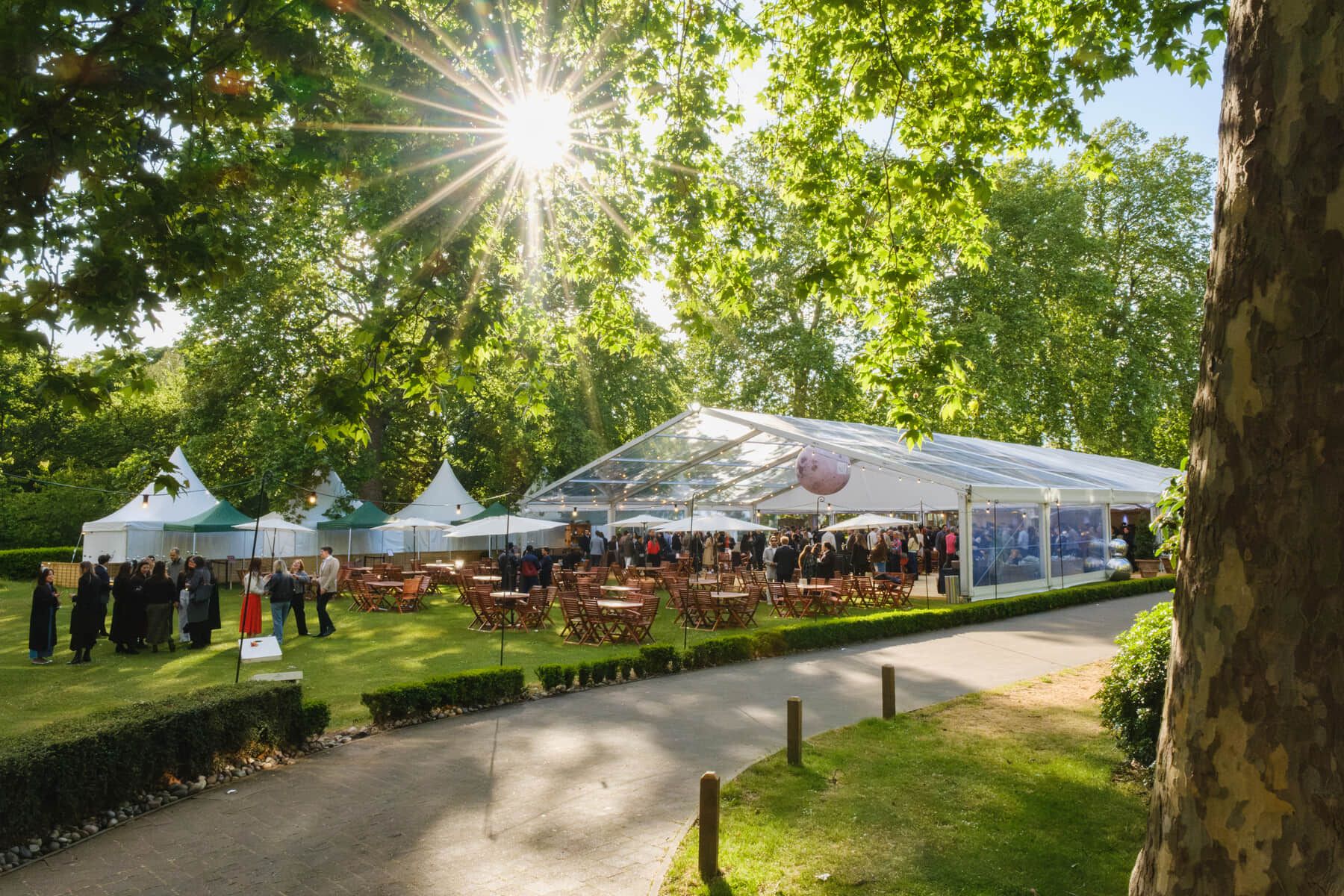
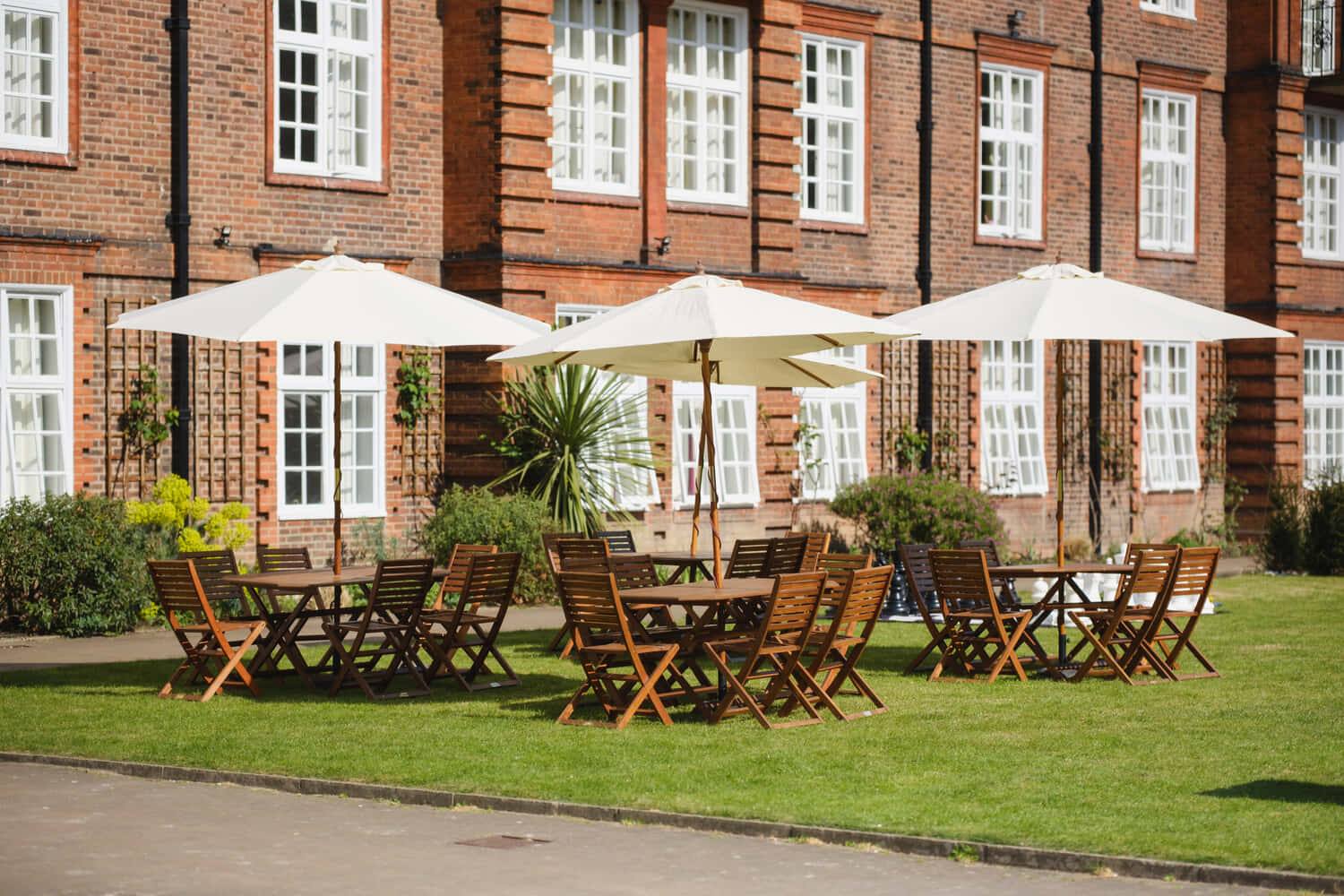
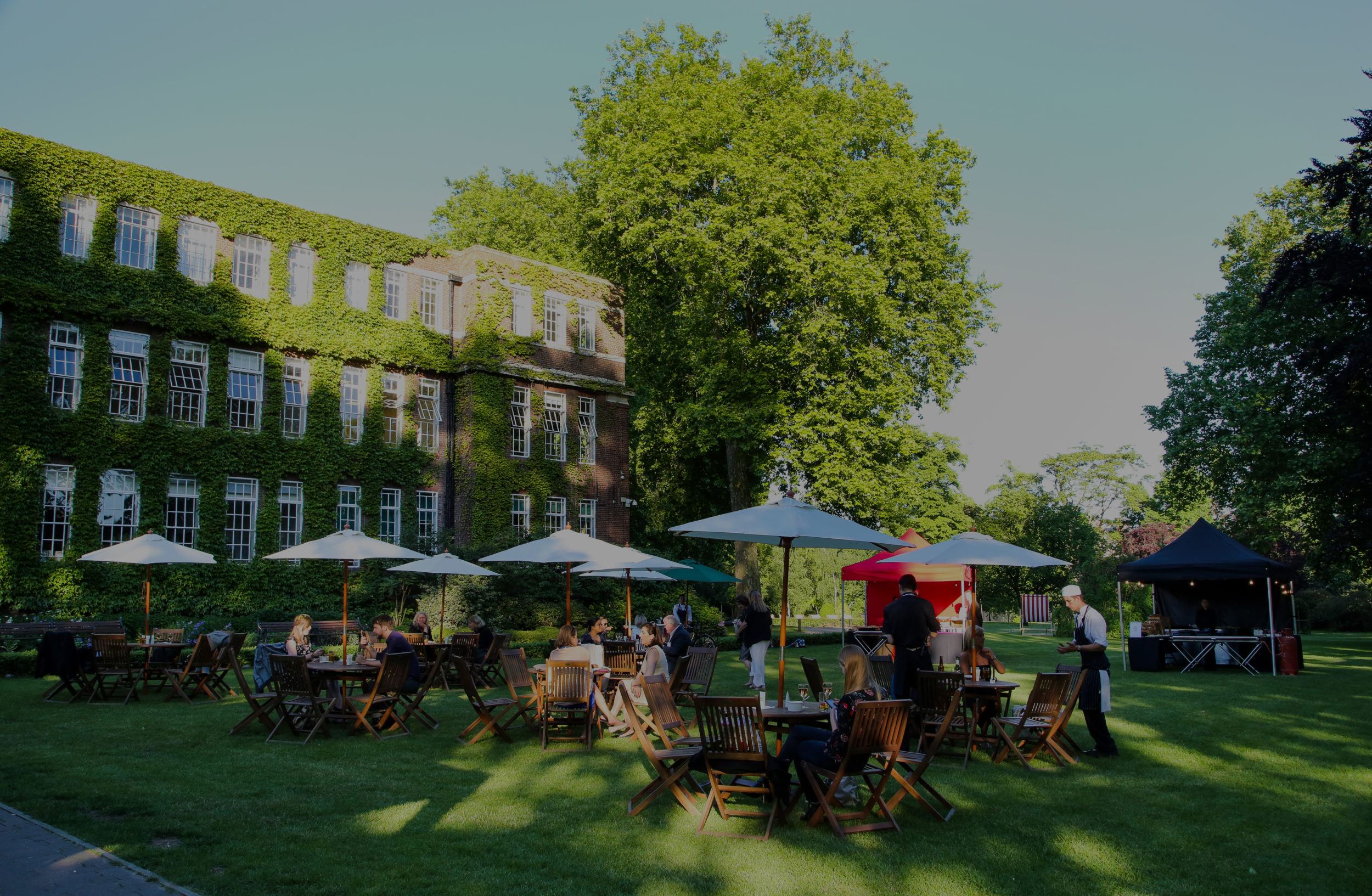
Outdoor events need the same level of care. Gardens and lawns can accommodate larger groups, while marquees, catering areas, pathways, seating, supplier access and wet weather arrangements all affect how the available space is used. Organisers should also think about how guests will move between different areas during the event. Food, drinks, entertainment and quieter seating areas need to feel connected, especially when the venue covers a wider outdoor footprint.
Choosing the right space at Regent’s Events
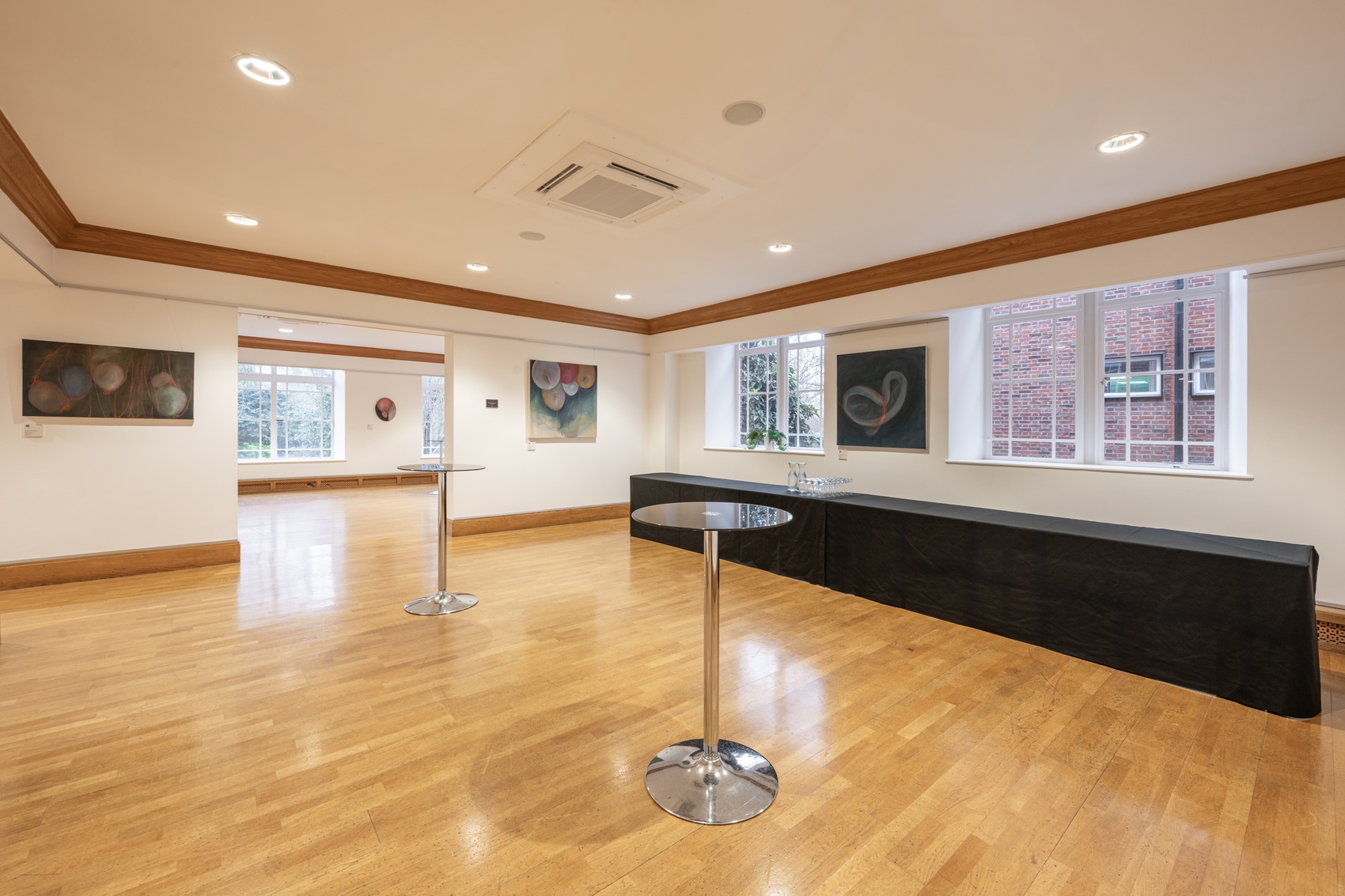
Regent’s Events offers spaces ranging from more intimate rooms through to York Lawns, which can host up to 2,000 guests. Knapp Gallery is well suited to more contained events, showcases and private gatherings. The Brasserie & Terrace and Bedford’s Bar work for smaller parties, dining and social events where atmosphere matters as much as capacity.
For mid-sized events, Herringham Hall, Tuke Common Room and the Secret Garden offer options for weddings, receptions and corporate events that need a more flexible layout. Tuke Hall is suited to talks, conferences and training events, with fixed seating for larger presentations. York Lawns gives organisers the greatest scale, especially for summer parties, marquees and outdoor events.
This range gives organisers more scope to choose a venue that suits the guest list, format and atmosphere of the event.
Capacity details to confirm before booking
Before booking, organisers should ask how capacity changes by layout. The same space may hold different numbers for standing receptions, seated dining, theatre-style seating or events with dancing. It is also worth confirming fire regulations, access routes, supplier setup space, catering requirements, cloakroom provision and whether a dance floor, stage or bar reduces the usable guest capacity. Checking these details early can help ensure the chosen space works comfortably from arrival to departure.
Regent’s Events can help organisers choose a space that fits the guest list, layout and atmosphere of the event. With indoor rooms, outdoor gardens and larger lawns available, it offers a practical starting point for finding the right size venue in central London.
CONTENTS
 Sign up to our newsletter
Be the first to hear about exclusive offers, special announcements and more.
The latest from Regent’s

The psychology behind celebrations: why do we celebrate?
From a wedding or a birthday, to a summer party or a baby shower, we have always had many a reason...